The new shape of negative equity
In Q4 2025, 29.3% of trade‑ins toward new‑vehicle purchases carried negative equity, the highest share since early 2021. The average amount owed on these underwater trade‑ins climbed to about 7,200 dollars, with more than a quarter of those customers buried under 10,000 dollars or more. Many of these loans were written during the pandemic‑era price bubble, so now that values have normalized, the gap between what loyal customers owe and what their vehicles are worth is brutally exposed.
How does this starve your used‑car inventory?
Every upside‑down trade‑in is a used‑car opportunity that is either delayed, over‑advanced, or lost to another channel. When almost a third of your potential trades show up with negative equity, far fewer customers can cleanly swap into a newer vehicle at a monthly payment they can live with. To “make it work,” stores often stretch terms, pack more debt into the deal, or pass on marginal trades entirely—moves that leave gaps in your used‑car inventory, especially in the affordable, late‑model segment your store depends on.
At the same time, fewer lease returns and tighter overall used supply mean there simply aren’t enough quality pre‑owned units flowing back to your lot. Negative equity traps buyers who would normally feed that ecosystem in their current vehicles for years, shrinking your pool of low‑mile, one‑owner trades.
Why your loyal customers feel it first
Your loyal customers are often the ones who bought during the peak‑price years, came back for service, and expected to repeat their trade cycle with you. Now they arrive thinking they’re in a position to upgrade, only to discover they’re thousands of dollars upside down with no painless way out. That conversation can quickly turn from “Welcome back” to “You’re stuck,” eroding trust and sending them shopping online for anyone who promises to “pay off your trade,” even if it just means burying more debt.
High negative equity also means higher payments on the next loan when that debt is rolled forward. Record average payments near or above 900 dollars for buyers who roll negative equity into a new deal are forcing many loyal households to downgrade their expectations or opt out of the market entirely. The result is a loyalty crisis in which customers feel the dealer “put them in a bad deal,” even when market forces did most of the damage.
Where the traditional process breaks
Most dealerships still discover negative equity at the appraisal desk, even after the customer is emotionally committed to a new car. That late reveal creates tension, rushes pencil decisions, and encourages short‑term thinking, such as stretching terms, over‑allowing on trades, or throwing incentives at structurally bad deals. Credit is also tightening around the edges, so lenders are less willing to finance big roll‑ins, making it even harder to save the deal without taking on extra risk yourself.
Because the store only sees equity at the moment of transaction, you miss the years in between when you could have helped customers protect their position—through right‑sizing terms, educating them about depreciation, or timing their next move before they fall deeply underwater. Helping customers know where they stand may not always be easy, but it breeds trust.
How VehicleLyfe relieves the pressure
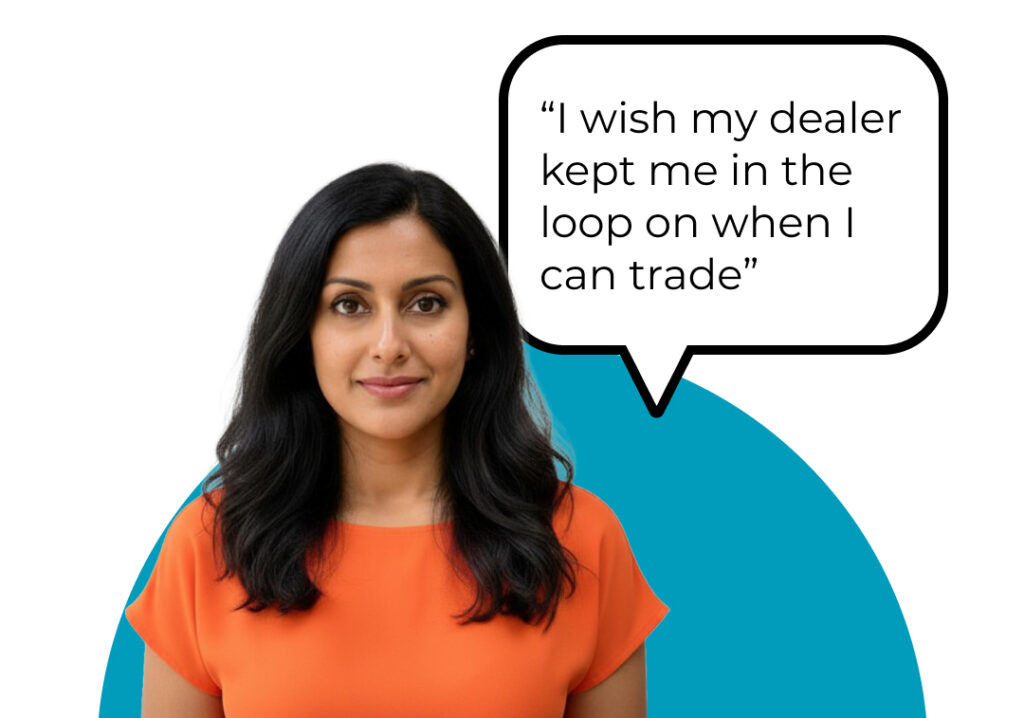
This is where VehicleLyfe changes the game by making equity and loyalty a year‑round conversation instead of a surprise at trade‑in.
- VehicleLyfe connects directly to your DMS and monitors each customer’s equity position, loan or lease maturity, and real‑time market conditions.
- The platform proactively tells your customers when it’s an optimal time to trade or sell based on their actual equity, not just their desire for a newer vehicle.
- It automatically reaches out with targeted messages triggered by events such as mileage milestones, expiring warranties, or shifts in equity, generating thousands of intelligent touchpoints every month without adding to your team’s workload.
Instead of meeting your loyal customer for the first time in years with bad news about negative equity, you can guide them into earlier, better‑timed trades while they still have options. By directing them to service on schedule, educating them through the ownership journey, and surfacing trade opportunities before they go deeply underwater, VehicleLyfe helps you preserve equity, feed your used‑car inventory, and keep your best customers in your ecosystem.
In a market where nearly a third of trades are underwater and used‑car supply is tight, the dealers who win will be those who treat equity as a relationship metric, not a line on a worksheet. VehicleLyfe gives your store the control and visibility to do exactly that—protecting your pre‑owned pipeline and your loyal customers at the same time.